When we think of Woodstock in 1969, the images are iconic: a sea of people in a mud-soaked field, Jimi Hendrix’s searing guitar solo, and the promise of “three days of peace and music.” It’s easy to romanticize it as a singular, lightning-in-a-bottle moment. But Woodstock wasn’t an end point; it was the explosive beginning of a cultural phenomenon that would fundamentally reshape how we experience, consume, and even define music. The rock festival evolved from a spontaneous counter-cultural gathering into a powerful industry engine, and its journey mirrors the changes in our society, technology, and connection to art. It transformed music from something you just listened to into something you lived.
The Birth of a Counter-Cultural Utopia
Before 1969, large-scale music events existed, but they were mostly structured concerts. Woodstock was different. It wasn’t just a lineup of bands; it was a destination, a pilgrimage. The festival proved that music could be the catalyst for creating a temporary, self-sustaining society built on a shared ethos. The music was the draw, but the community was the revelation. For those who attended, the experience transcended the performances. It was about being part of something larger than themselves—a tangible demonstration against the establishment, war, and conventional norms.
This initial wave of festivals established music as a force for social cohesion. They were messy, unpredictable, and often logistically disastrous, but they were authentic. The barrier between artist and audience felt porous. The lack of corporate branding and commercial polish meant the focus remained squarely on the music and the collective experience. This era cemented the idea of a festival as a rite of passage, a place where tribes of fans could gather and affirm their identity. It wasn’t about selling a lifestyle; it was about living one, even if just for a weekend.
From Idealism to Industry: The Commercial Shift
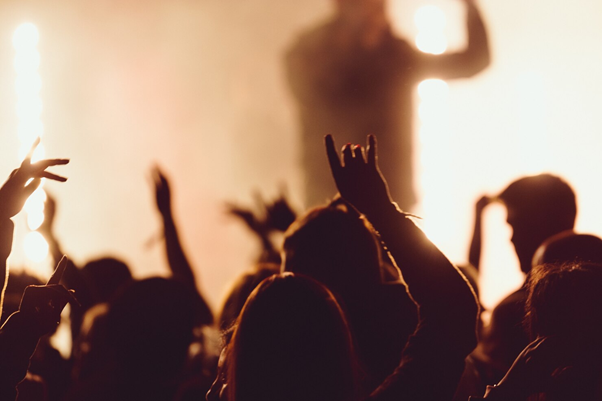
The raw, unfiltered idealism of the late 60s couldn’t last. The disastrous Altamont Speedway Free Festival, held just months after Woodstock, served as a dark counterpoint, proving that peace and love couldn’t always conquer chaos. This sobering event marked a turning point. As festivals grew in popularity through the 70s and 80s, organization and safety became paramount, and with that came commercialization. The grassroots spirit began to merge with corporate reality. Promoters realized the immense financial potential, and the festival began its transformation from a cultural happening into a structured business model.
The 90s, with the launch of Lollapalooza, perfected this new formula. It wasn’t a single destination but a traveling showcase of alternative culture, bringing the festival experience to cities across America. This era defined the modern festival blueprint, introducing key elements that are now standard:
- Corporate Sponsorship: Logos and branded stages became commonplace, providing the financial backbone needed for massive-scale productions.
- Genre Diversification: While rooted in rock, festivals began embracing a wider array of genres, from hip-hop to electronic music, reflecting a more eclectic musical landscape.
- The Headliner Economy: The focus shifted heavily towards securing a handful of massive, ticket-selling headliners, creating a clear hierarchy in the lineup.
- Tiered Ticketing: The introduction of VIP packages and exclusive viewing areas created a class system within the once-egalitarian festival grounds.
This shift was a necessary evolution. It made festivals safer, more reliable, and accessible to a broader audience. However, it also professionalized the experience, trading some of the original spontaneity for a more predictable, packaged product. The festival was no longer a rebellion; it was a well-oiled entertainment machine.
The Modern Festival: An Instagrammable Experience
Today, we are in the era of the “experience” festival, epitomized by giants like Coachella and Glastonbury. While music remains the central pillar, it now shares the stage with art installations, gourmet food, celebrity sightings, and fashion. The modern festival is a meticulously curated aesthetic environment, designed to be as visually compelling as it is sonically. Its success is measured not just in ticket sales, but in social media engagement. The event itself has become content.
Technology has fundamentally altered the audience’s role. Where Woodstock attendees were simply participants, today’s festival-goer is also a documentarian. Smartphones, RFID wristbands for cashless payments, and dedicated festival apps have integrated the event seamlessly with our digital lives. The goal is no longer just to see the show, but to be seen at the show. This has created an interesting paradox: we are more connected than ever technologically, yet perhaps more detached from the raw, in-the-moment immersion that defined the original festivals. The focus has shifted from the collective to the individual’s curated projection of their experience.
From a chaotic field in upstate New York to the polished, palm-tree-lined grounds of Indio, California, the rock festival’s journey is a story of adaptation. It has shed its anarchic skin to become a cornerstone of the global music industry, capable of launching careers and generating billions of dollars. The spirit may have changed from revolutionary to recreational, but its core function remains. Festivals are still our modern-day tribal gatherings, spaces where music provides the powerful, unifying soundtrack for a shared human experience.